The Rise of Indie Gaming

The gaming industry has long been dominated by massive AAA studios with hundred-million-dollar budgets, Hollywood-level production, and endless marketing campaigns. Yet in recent years, a quiet revolution has been happening in the background. Small teams — sometimes just one or two passionate developers — are creating breakout hits that rival or even surpass big-budget titles in cultural impact and player love.
This is the rise of indie gaming.
What Makes Indie Gaming Different?
Indie games are developed by independent creators without the financial backing of major publishers. This freedom from corporate oversight and focus-testing allows them to take bold creative risks that AAA studios often avoid due to commercial pressure.
Where big-budget games chase spectacle — photorealistic graphics, vast open worlds, and celebrity voice actors — many indie games focus on emotion, innovation, and gameplay purity.
They prove that heart and clever design can create experiences more memorable than cutting-edge visuals alone.
The Perfect Storm for Indie Success
Several factors have fuelled this golden age of indie games:
Digital Distribution Platforms: Steam, itch.io, Nintendo eShop, and Xbox Game Pass have removed traditional gatekeepers. A game can now reach millions without a physical shelf in stores.
Accessible Development Tools: Engines like Unity, Godot, and Unreal Engine (with free tiers) have dramatically lowered the barrier to entry. A solo developer can now build a polished game from their bedroom.
Social Media & Streaming: Twitch, TikTok, and YouTube allow organic virality. Games like Among Us and Stardew Valley exploded through player word-of-mouth rather than million-dollar ad campaigns.
Changing Player Tastes: Gamers are increasingly craving unique, meaningful, or relaxing experiences that big studios often overlook in favour of sequels and live-service models.
Game-Changing Indie Success Stories
Several indie titles have become modern legends:
Stardew Valley (ConcernedApe): Developed almost entirely by one person, this wholesome farming simulator has sold over 30 million copies. It created an entire genre of "cosy games” that millions now turn to for comfort and escape.
Hades (Supergiant Games): A small studio that turned Greek mythology into an addictive roguelike with incredible writing and character development. It won multiple Game of the Year awards.
Celeste: A precision platformer that tackled mental health with sensitivity while delivering some of the most satisfying gameplay in the genre.
Balatro: A recent poker roguelike that took the world by storm in 2024, showing that fresh mechanics on old ideas can still captivate millions.
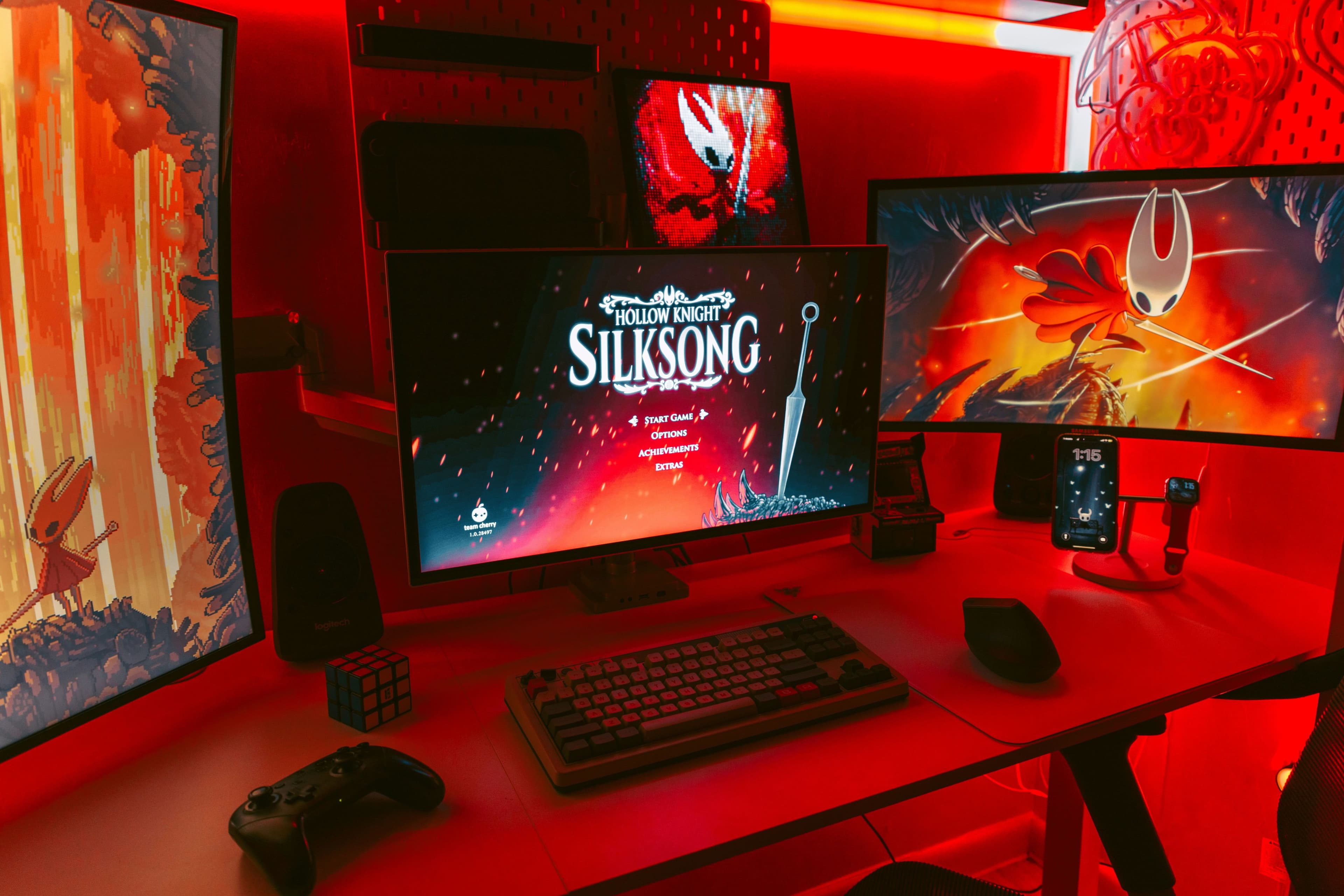
Hollow Knight and Ori and the Blind Forest: Beautiful Metroidvanias that proved indie studios could match (and often exceed) AAA quality in art and atmosphere.
These games didn’t just succeed financially — they built loyal communities and emotional connections that many AAA titles struggle to achieve.
Why Indie Games Are Reshaping the Industry
1. Creativity Over Formula
Without the pressure to appeal to the broadest possible audience, indies experiment with new genres, art styles, and storytelling. This innovation often trickles upward, forcing big publishers to take more risks.
2. Diversity and Representation
Indie developers come from varied backgrounds, resulting in stories and characters that feel fresh and authentic. Games exploring queer identities, cultural experiences, mental health, and unconventional themes have found passionate audiences.
3. Player-First Design
Many indies focus on making games that are fun, fair, and respectful of players’ time — avoiding aggressive monetisation, dark patterns, or unfinished launches.
4. Economic Disruption
Successful indies prove that you don’t need $200 million and 1,000 employees to create a beloved game. This challenges the traditional blockbuster model and gives hope to new creators worldwide.
The Challenges Are Real
Despite the success stories, being an indie developer remains incredibly difficult:
Discoverability is tough on crowded platforms.
Marketing budgets are tiny compared to AAA giants.
Many games fail to break even.
Crunch culture can still exist in passionate small teams.
However, tools like crowdfunding (Kickstarter), early access models, and publishing support from platforms have made the path more sustainable than ever before.
The Future of Gaming Is Hybrid
The line between indie and AAA is blurring. Many successful indies get acquired by larger companies while keeping creative control. Meanwhile, some AAA studios are creating smaller “AA” or indie-style projects to recapture creativity.
What’s clear is that players are winning. The gaming landscape is more diverse, innovative, and exciting than ever. From cosy farming sims to mind-bending puzzle games and emotionally devastating narratives, indie developers are expanding what games can be.
Final Thoughts
The rise of indie gaming reminds us of gaming’s core magic: not billion-dollar graphics, but ideas, passion, and connection.
In an industry increasingly obsessed with scale and profit, small teams are proving that creativity and heart still matter most. They’re not just making games — they’re keeping the soul of gaming alive.
Whether you’re a player looking for something fresh or an aspiring developer with an idea, this is one of the best times in history to be part of the gaming world.
The next big phenomenon might not come from a massive studio in California or Tokyo.
It might come from a solo dev in Lagos, a two-person team in Buenos Aires, or a small studio in Warsaw.
And that’s an incredibly exciting thought.