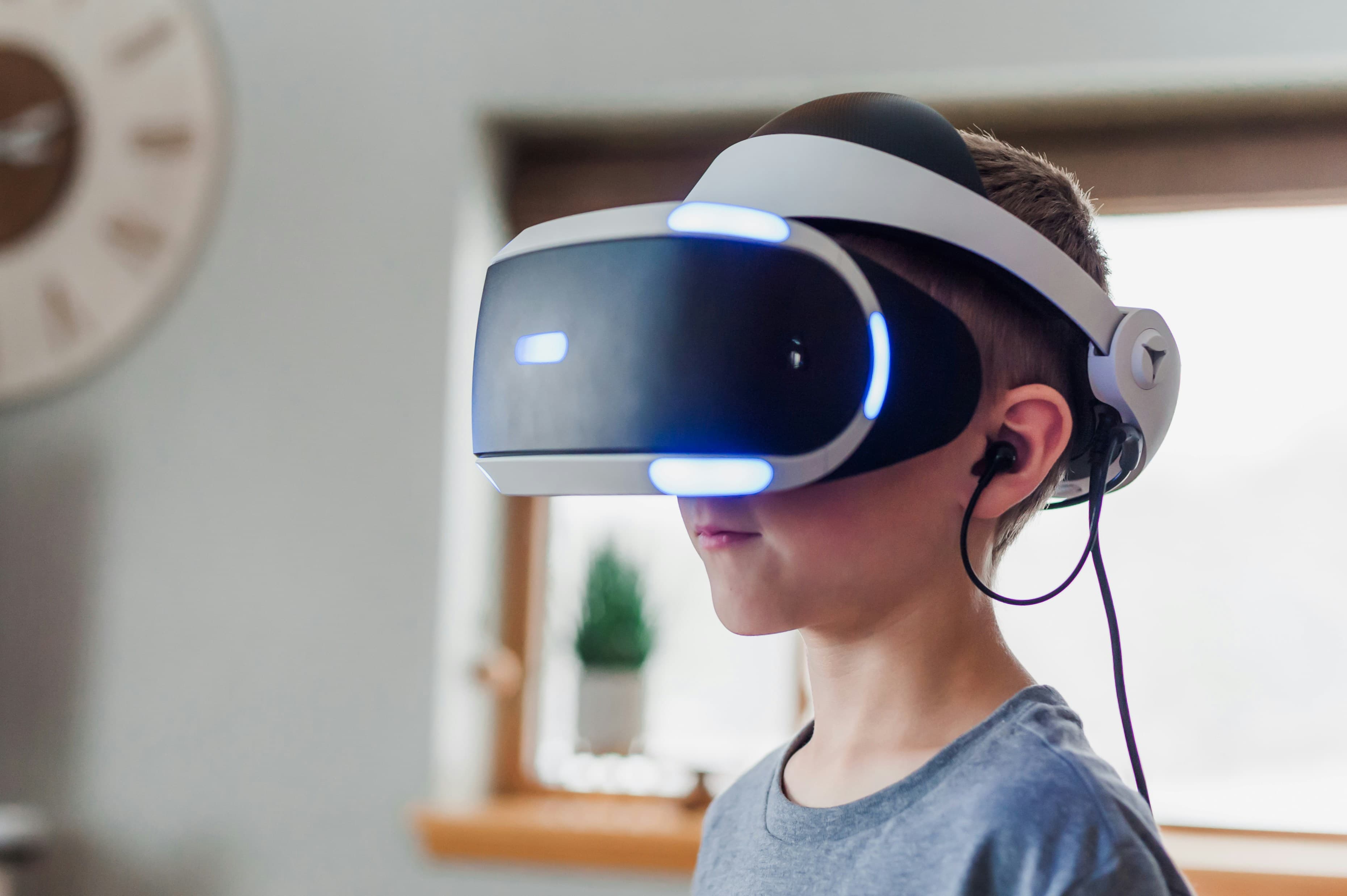
The Future of VR Gaming
Imagine stepping into a virtual battlefield where every footfall feels like real ground beneath your boots, where enemies react to your every twitch with lifelike intelligence, and your living room seamlessly blends with a sprawling alien landscape. This isn’t sci-fi anymore—it’s the near-future of VR gaming as we head deeper into 2026. Virtual reality has evolved from clunky headsets and basic experiences to a platform poised to redefine how we play, socialise, and even create. In this post, we’ll dive deep into the hardware breakthroughs making immersion effortless and the software innovations turning static worlds into living, breathing adventures. Whether you’re a seasoned VR enthusiast or a curious newcomer, the next wave is here—and it’s going to change gaming forever.
VR gaming isn’t new, but it’s finally hitting its stride. Standalone headsets have democratised access, mixed reality is blurring the lines between real and virtual, and artificial intelligence is injecting unprecedented dynamism. The global VR gaming market is on track for double-digit growth, driven by these advances. But what exactly is powering this revolution? Let’s break it down.
The Hardware Revolution: From Bulky Boxes to Featherweight Futures
The foundation of next-gen VR gaming starts with the gear on your face. In 2026, the era of tethered PCs and heavy, sweat-inducing headsets is fading fast. Standalone devices dominate, offering console-like convenience with PC-level power.
Leading the pack is Meta’s Quest lineup. The Quest 3 remains a powerhouse, with sharper lenses, higher-resolution displays, and full-colour passthrough cameras that let you overlay virtual elements onto your real-world space. Its more affordable sibling, the Quest 3S, brings similar mixed-reality magic to budget gamers at around $300, proving that high-quality VR no longer requires a second mortgage. These headsets ditch external sensors for inside-out tracking, deliver buttery-smooth 120Hz refresh rates, and pack improved haptics in the controllers that make grabbing a virtual sword feel tactile.
But Meta isn’t alone. Sony’s PlayStation VR2 continues to shine for console loyalists, pairing beautifully with the PS5 for cinematic exclusives like Horizon Call of the Mountain. Its eye-tracking and adaptive triggers add layers of immersion that feel almost intuitive. On the high-end PCVR front, Valve’s Steam Frame is generating serious buzz as a wireless successor to the Index. Optimised for seamless PC streaming with an onboard ARM chip for standalone play, it promises to unlock Steam’s massive library without cables or compromises. Rumours of a Quest 4 in the works hint at even lighter designs and better battery life, potentially lasting hours without a charge.
What’s truly game-changing is the push toward mixed reality (MR). Colour passthrough—once grainy and distracting—now feels photorealistic, letting you swing a lightsabre in your kitchen or battle zombies while your dog naps on the couch. Eye-tracking, foveated rendering (which sharpens only what you’re looking at to save power), and advanced spatial audio are standard. Haptic suits and gloves from companies like BHaptics are moving mainstream, simulating everything from a pat on the back to a dragon’s breath. Weight is dropping too—headsets under 500 grams with balanced designs mean marathon sessions without neck strain.
Affordability is key to adoption. Subscription models for content and dropping hardware prices are making VR accessible to the masses, not just tech enthusiasts. By 2026, we’re seeing the “rich person’s hobby” phase of high-end PCVR give way to everyday gaming rigs that fit in a backpack.
Software Innovations: AI, Procedural Worlds, and Social Realms
Hardware is the vehicle, but software is the soul. Next-gen VR gaming isn’t just about prettier graphics—it’s about worlds that feel alive and responsive.
Unity and Unreal Engine have supercharged VR development with built-in tools for MR and high-fidelity physics. But the real star is AI integration. Generative AI now creates procedural environments on the fly: imagine a roguelike dungeon that reshapes itself based on your playstyle, or an open-world adventure where NPCs remember your choices across sessions and evolve their personalities. AI-driven content generation slashes development time, allowing indie studios to rival AAA experiences.
Games like Half-Life: Alyx set the bar years ago, but successors are pushing further. Expect titles with dynamic narratives powered by large language models—your dialogue choices could spawn entirely new questlines. Social VR is exploding too. Platforms like Meta’s Horizon Worlds and Rec Room are evolving into persistent metaverses where friends hang out, build together, or compete in user-generated arenas. Cross-platform play between Quest, PC, and consoles is becoming seamless, thanks to cloud rendering tech that streams high-end experiences to lower-powered headsets.
Haptics software is getting smarter as well. Algorithms now sync vibrations to in-game actions with pinpoint accuracy, while accessibility features—like voice commands and customisable comfort modes—open VR to broader audiences. AI also personalises gameplay: it adjusts difficulty in real-time, suggests tutorials based on your movements, or even generates custom levels from voice descriptions.
The result? VR gaming feels less like playing a game and more like stepping into one. Procedural generation means no two playthroughs are the same, while AI companions act as dynamic allies or rivals. And with cloud gaming integrations, you can jump into a massive multiplayer raid without downloading gigabytes.
Challenges on the Horizon: Realism Meets Reality
For all the hype, VR gaming still faces hurdles. Motion sickness remains a barrier for some, though improved tracking, higher frame rates, and software mitigations like dynamic FOV adjustments have reduced it dramatically. Battery life on standalone headsets—while better—isn’t infinite yet, and premium experiences can still feel pricey for casual players.
Content depth is another pinch point. While the library has ballooned to thousands of titles, AAA blockbusters tailored for VR are rarer than we’d like. Many games are ports or shorter experiences, and the “metaverse” vision has shifted from forced connectivity to organic growth. Privacy concerns around always-on cameras and data collection persist, especially in mixed-reality setups.
Hardware fragmentation between ecosystems (Meta, Sony, and Valve) can frustrate developers, leading to exclusive content wars. And then there’s the physical side: VR demands space and movement, which not every gamer has readily available.
These aren’t deal-breakers, though. The industry is addressing them head-on with better ergonomics, ethical AI guidelines, and hybrid experiences that blend VR with traditional screens.
The Road Ahead: Predictions for the Next Decade
Looking to 2030 and beyond, the future of VR gaming is even more exhilarating. Expect neural interfaces—non-invasive brain-computer tech from pioneers like Neuralink-inspired projects—to let you think commands, eliminating controllers entirely. Full-body haptics and scent simulation could make virtual meals or battles multisensory.
VR+ (the blend of VR, AR, and AI) will dominate. Smart glasses could evolve into lightweight companions that transition seamlessly between realities, turning your commute into a gaming session. Spatial computing will make virtual objects feel anchored in the real world, perfect for collaborative games or training sims that bleed into education and fitness.
The gaming industry will transform: studios will prioritise VR-first design, esports will go fully immersive, and user-generated content will explode thanks to AI tools. Economic forecasts point to sustained growth, with VR gaming revenues potentially doubling as adoption hits mainstream levels.
Challenges like energy consumption and ethical AI use will require careful navigation, but the potential for connection, creativity, and escape is boundless.