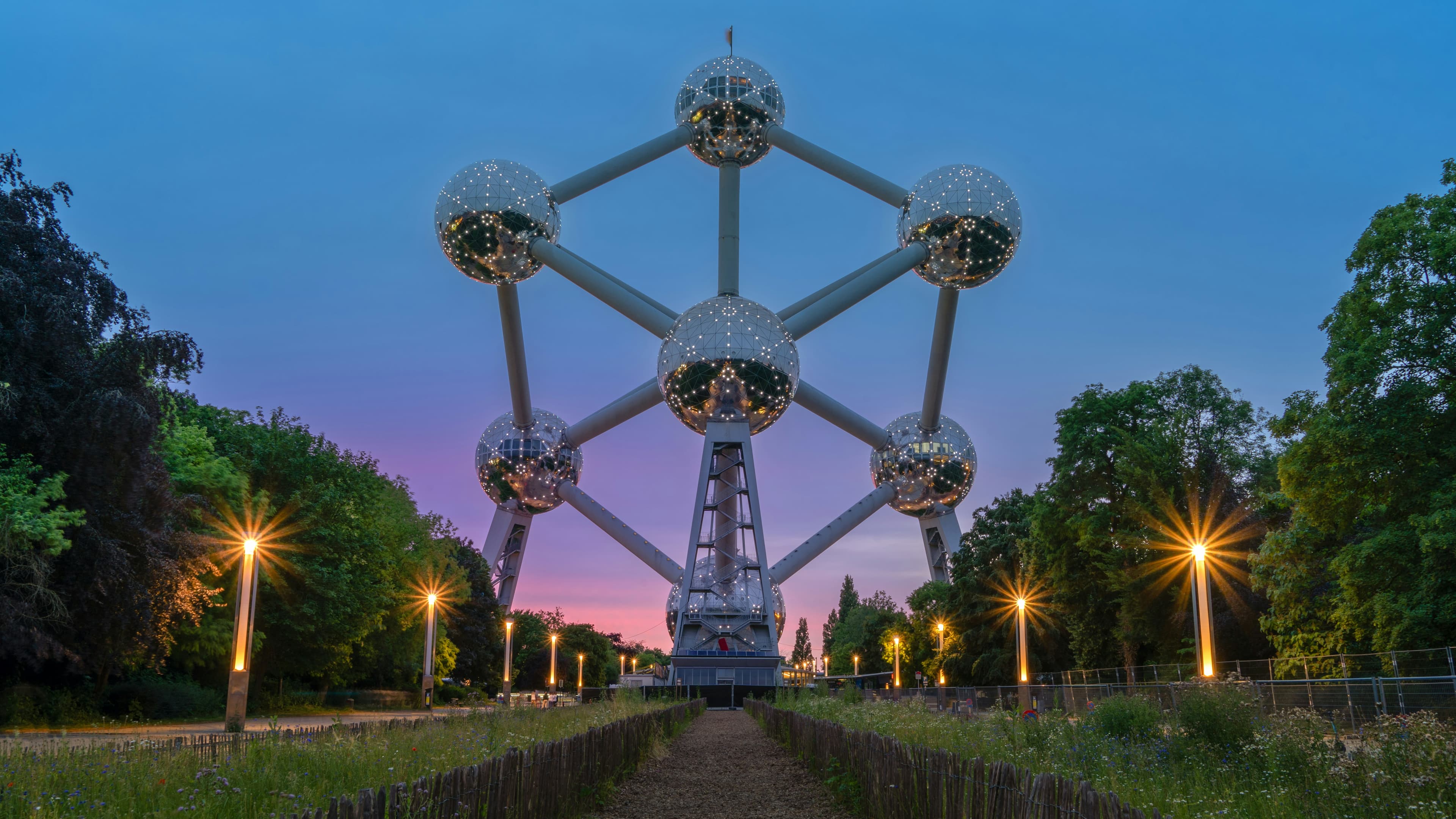
Hidden Gems of Europe
Europe’s iconic spots—think Paris, Rome, and Barcelona—draw millions every year, leaving many travellers craving something more authentic. The good news? The continent is full of incredible places that offer breathtaking beauty, rich culture, and genuine local experiences without the overwhelming crowds or inflated prices.
These hidden gems let you slow down, connect with locals, and discover sides of Europe that feel almost secret. Whether you love dramatic landscapes, charming villages, or vibrant yet under-the-radar cities, this guide highlights destinations perfect for 2026 travellers seeking something special. In about eight minutes, you’ll have fresh ideas for your next trip that go far beyond the usual guidebook highlights.
Why Seek Out Hidden Gems?
Visiting lesser-known places means more space to breathe, easier access to attractions, and often lower costs for accommodation, food, and activities. You’ll also support local economies in regions that deserve more attention. Plus, in an era of overtourism, choosing off-the-beaten-path spots helps preserve popular destinations while giving you memories that feel truly personal.
Here are some standout hidden gems across Europe that combine natural wonders, cultural depth, and that magical “I can’t believe more people don’t know about this” feeling.
1. La Graciosa, Canary Islands, Spain
Just a short ferry ride from Lanzarote lies La Graciosa—one of Europe’s most peaceful volcanic islands. With no paved roads (cars are limited), golden beaches, and dramatic volcanic landscapes, it feels like a world apart from the busier Canary Islands.
Hike up Montaña Bermeja for panoramic views, swim in crystal-clear waters at Playa de las Conchas, or simply enjoy fresh seafood in tiny villages. It’s ideal for hikers, beach lovers, and anyone wanting a digital detox. Visit in shoulder seasons for even more serenity.
2. Plovdiv, Bulgaria
Often called one of Europe’s oldest continuously inhabited cities, Plovdiv blends ancient Roman ruins, Ottoman architecture, and a lively arts scene. Its old town features colourful Revival-era houses clinging to hills, while the modern centre buzzes with creative cafés and street art.
Wander the Roman Theatre, explore the Kapana creative district, and enjoy affordable local wine and meze. With far fewer crowds than nearby capitals, Plovdiv offers an authentic Balkan experience that feels both historic and refreshingly contemporary.
3. Upper Carniola (Gorenjska), Slovenia
Tucked between Austria and northern Italy, this compact region packs Alpine drama into a small area: think emerald lakes, jagged peaks of Triglav National Park, and fairy-tale villages. While Lake Bled gets some attention, the surrounding highlands remain blissfully quiet.
Hike or cycle through lush valleys, visit charming towns like Radovljica, or try outdoor adventures like kayaking and canyoning. Slovenia’s sustainable tourism focus means you’ll find pristine nature and warm hospitality without the mass tourism that affects parts of the Alps.
4. Korčula, Croatia
Yes, Croatia has famous islands, but Korčula offers Dalmatian charm with far fewer crowds than Dubrovnik or Hvar. Known as the birthplace of Marco Polo, this green island features mediaeval walled towns, dense pine forests, and excellent local wines.
Stroll the marble streets of Korčula Town, relax on secluded beaches, or join a wine tasting in the countryside. The island’s slower pace and authentic fishing-village vibe make it perfect for those wanting Croatia’s beauty without the summer crush.
5. The Troodos Mountains, Cyprus
While many head to Cyprus for beach resorts, the Troodos Mountains reveal a cooler, greener side filled with Byzantine monasteries, ancient cedar forests, and hiking trails. In winter, you can even ski on Mount Olympus.
Visit painted churches (some UNESCO-listed), taste local Commandaria wine, and explore villages like Kakopetria with their traditional architecture. It’s a refreshing contrast to the coastal heat and a wonderful spot for nature lovers and history buffs alike.
6. Ghent, Belgium
Often overshadowed by Bruges and Brussels, Ghent combines mediaeval grandeur with a youthful, creative energy. Its stunning castle (Gravensteen), canals, and vibrant student scene create a lively yet relaxed atmosphere.
Climb the Belfry for views, admire the altarpiece in St Bavo’s Cathedral, and enjoy the city’s excellent beer and chocolate scenes. Ghent feels lived-in and authentic—perfect for a weekend escape where you can wander without fighting selfie sticks.
7. Transylvania’s Lesser-Known Towns, Romania
Beyond the famous castles associated with Dracula legends, Transylvania offers mediaeval towns like Sibiu and Sighișoara that feel straight out of a storybook. Colourful houses, fortified churches, and surrounding Carpathian landscapes create an enchanting backdrop.
Hike in the mountains, visit Saxon villages, or enjoy hearty local cuisine. Romania remains one of Europe’s best-value destinations, with warm hospitality and a sense of discovery that bigger neighbours sometimes lack.
8. Vipava Valley, Slovenia
This scenic valley between the Alps and the Adriatic is emerging as a wine lover’s secret. With dramatic karst landscapes, orchards, and family-run wineries producing unique local varieties like Zelen and Pinela, it’s ideal for slow travel.
Cycle or drive through the valley, taste wines at small estates, and explore stone villages. Its position makes it a great base for day trips to nearby Trieste (Italy) or Ljubljana while offering a peaceful retreat.
Practical Tips for Exploring Hidden Gems
Timing matters: Shoulder seasons (spring and autumn) bring mild weather and even fewer visitors.
Getting there: Many of these spots are reachable by train, bus, or short domestic flights. Renting a car can unlock rural areas, but check local rules.
Stay local: Opt for family-run guesthouses, agriturismos, or boutique hotels to immerse yourself and support communities.
Pack for variety: Weather can change quickly in mountainous or island regions—bring layers and comfortable shoes for walking.
These destinations prove that Europe still holds plenty of magic for curious travellers willing to venture slightly off the main paths. You’ll return with stories, photos, and a deeper appreciation for the continent’s diversity.